
Type the name of the breed you're looking for below
[wpdreams_ajaxsearchlite] Don't see the breed your're looking for? Click here and let us know!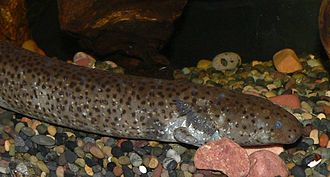
[fbcomments]
Western Lesser Siren
| Place of Origin and Range | This is a species of aquatic salamander native to the eastern United States and northern Mexico. They are referred by numerous common names, including two-legged eel, dwarf siren, and mud eel. |
| Description | These are eel-like salamanders. Dark in colour and possess very small limbs. |
| Adult Size | Can grow up to 27 in(69 cm) |
| Accommodation | During the day it stays in all kinds of undergrowth, but during the mating season in cool water (forest pools, artificial pools). After the adults come out of winter dormancy, they migrate to their spawning pools. A semi-aquatic, gently filtered aquarium with live plants, with or without large gravel will suffice. |
| Lifespan | Can live up to 20 years |
| Feeding / Diet | They feed primarily on aquatic invertebrates, including various kinds of worms, snails, and crustaceans. They will also eat the tadpoles and eggs of other amphibians. |